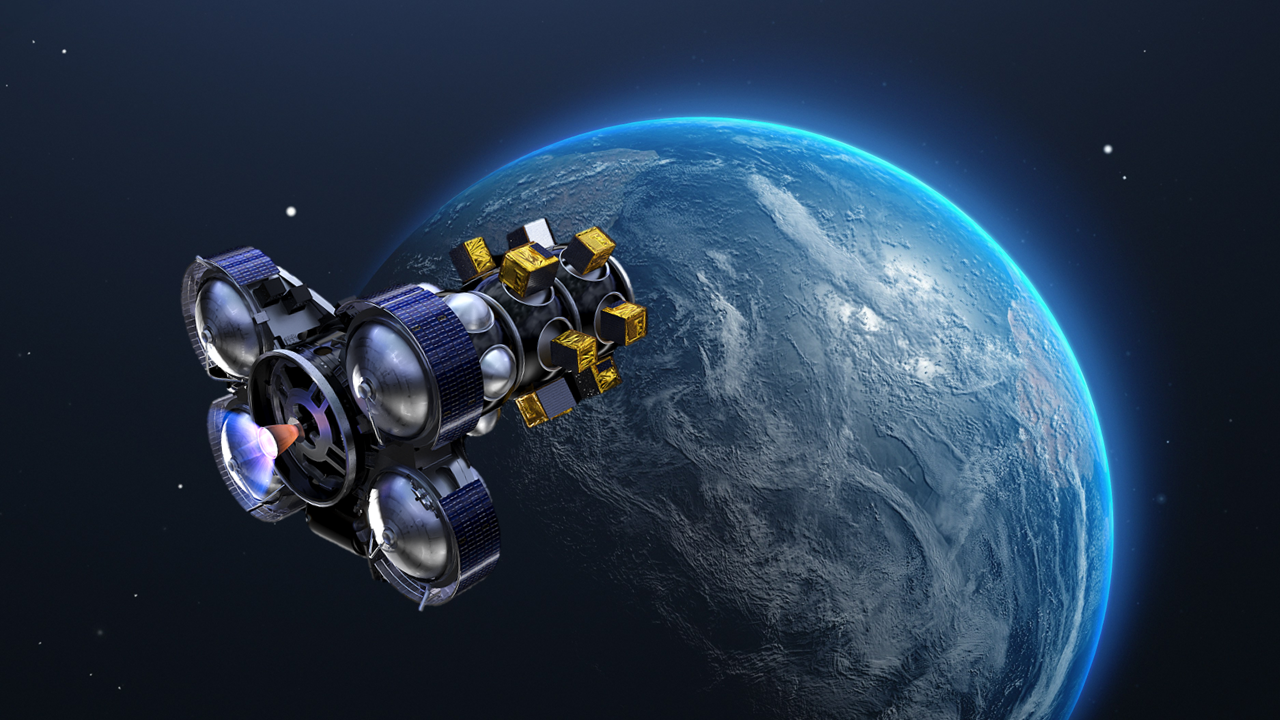
ASTRALIS - The supply line in orbit
Europe is building a service station in space
Today’s spacecraft cannot be serviced, refuelled or upgraded. They are built, launched and eventually abandoned. This is costly, wasteful and not sustainable. ISOS (In-Space Operations and Services) is the European initiative set to change that. The goal is an infrastructure in orbit that actively supplies, repairs and upgrades satellites. Longer satellite lifespans, lower mission costs and less space debris need reliable logistics, Astralis will ensure that
Europe is driving ISOS forward as a strategic priority, as the foundation for a new in-space economy and as a contribution to Europe’s technological sovereignty. ISOS brings four specialised components together into one integrated system. ASTRALIS is one of them.
Why Europe needs to service its satellites
Our daily lives already depend on them: navigation, weather forecasts, secure communications, disaster response, precision agriculture – none of it works without satellites operating in orbit. When they fail, there is currently no way to repair or resupply them. They are simply abandoned.
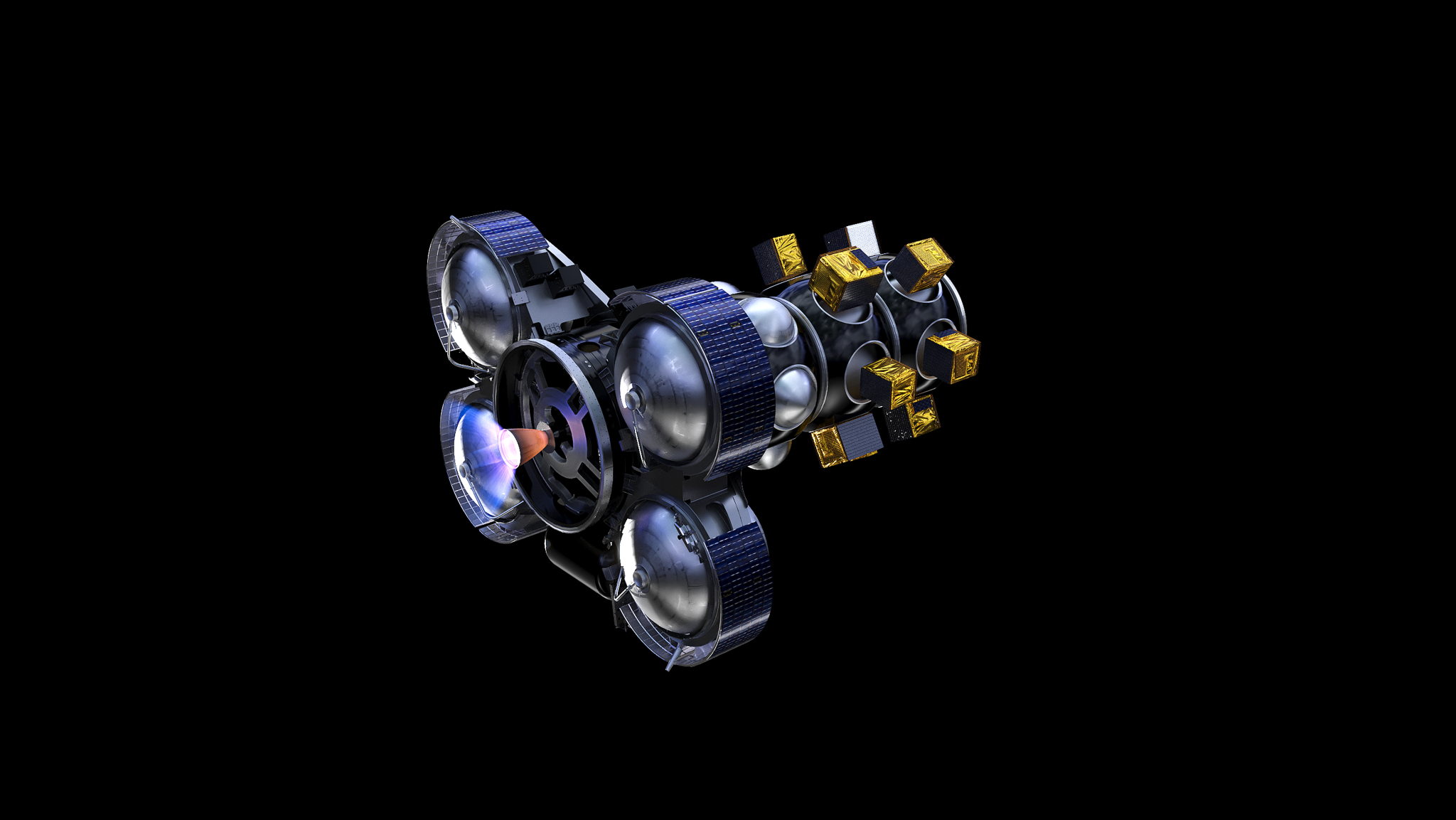
ASTRALIS changes that. As the logistics spacecraft of the ISOS mission, ASTRALIS delivers fuel, spare parts and upgrades directly into orbit. It is extending the lifespan of European satellites, reducing the cost of new missions and cutting down on space debris. What is good for Europe is good for everyone who relies on a functioning space infrastructure every day.
ASTRALIS is not designed for the pilot mission alone. The spacecraft is built from the ground up to eventually handle last-mile delivery services, logistics beyond low Earth orbit, or the return of cargo and experiments to Earth. ASTRALIS and ISOS4I are the blueprint for a permanent European logistics service in space.
ISOS4I is Europe’s answer to a strategic question: How can space infrastructure remain maintainable, expandable and operational in the long term?
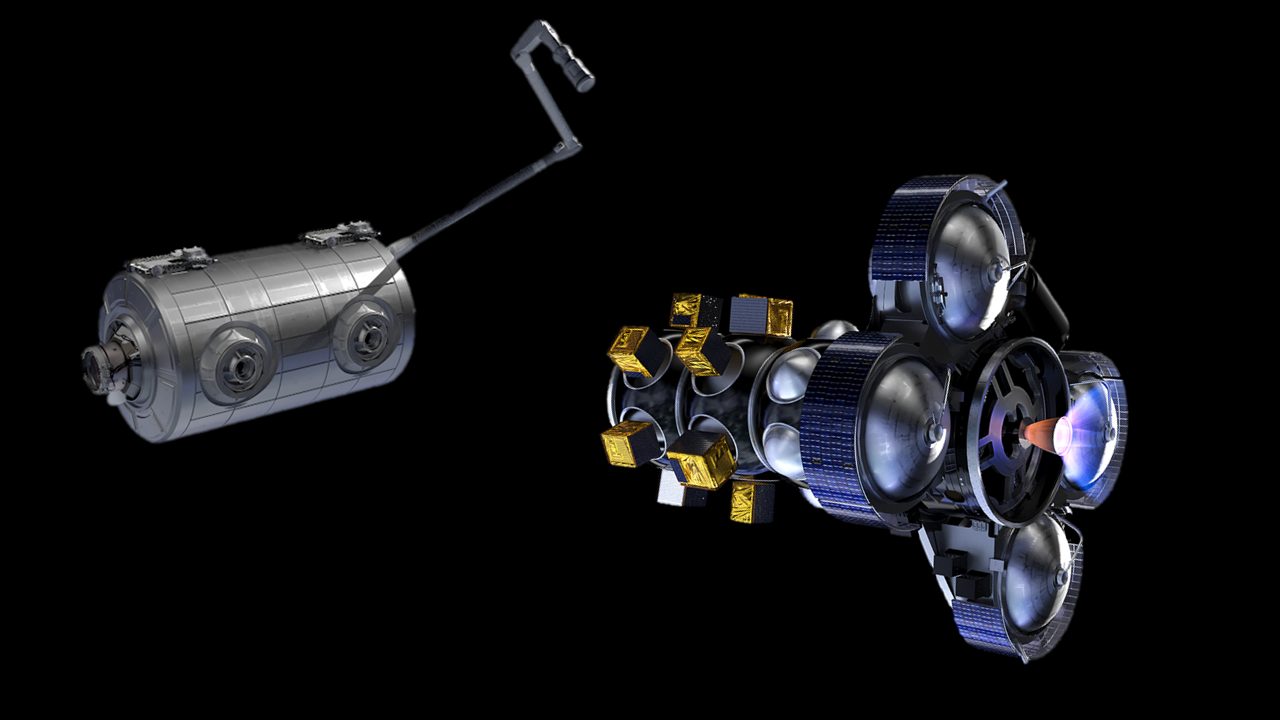
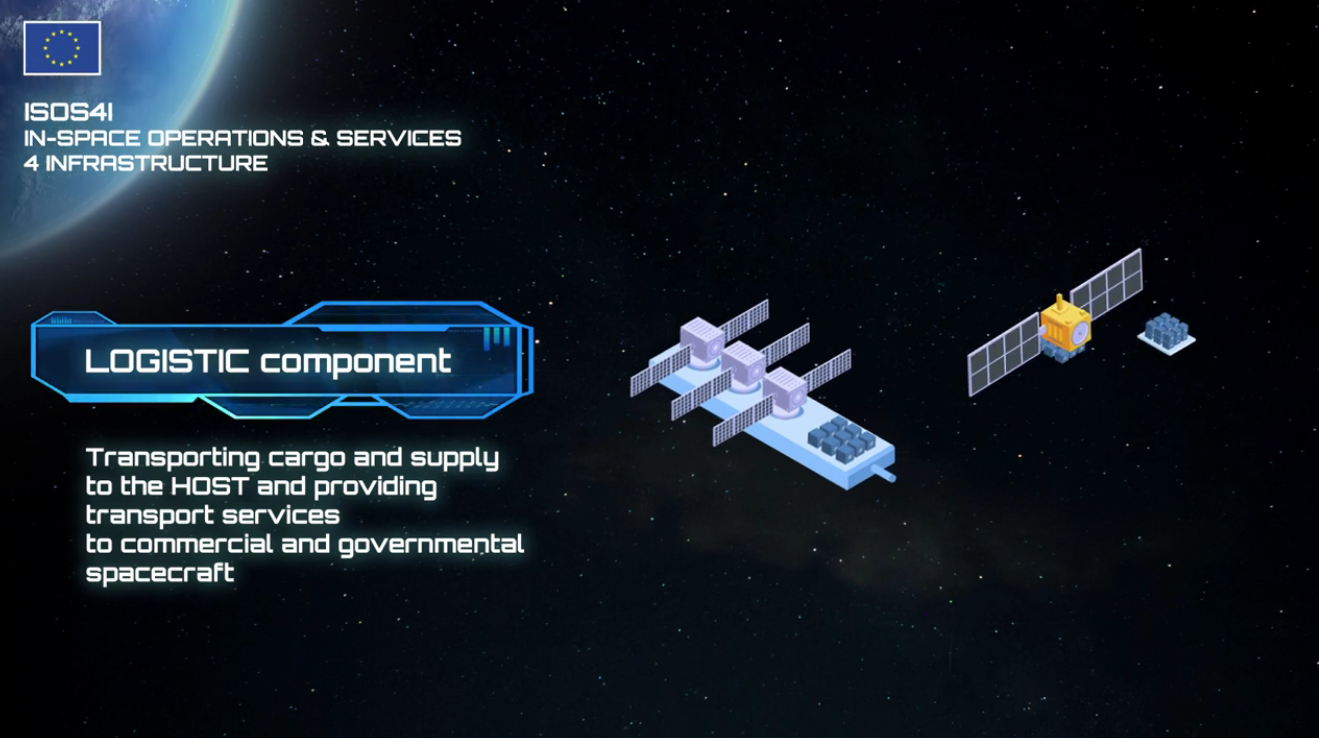
THE FOUR COMPONENTS
The ISOS mission is based on an adaptive, interoperable and scalable concept comprising four mission components.
THE CONSORTIUM
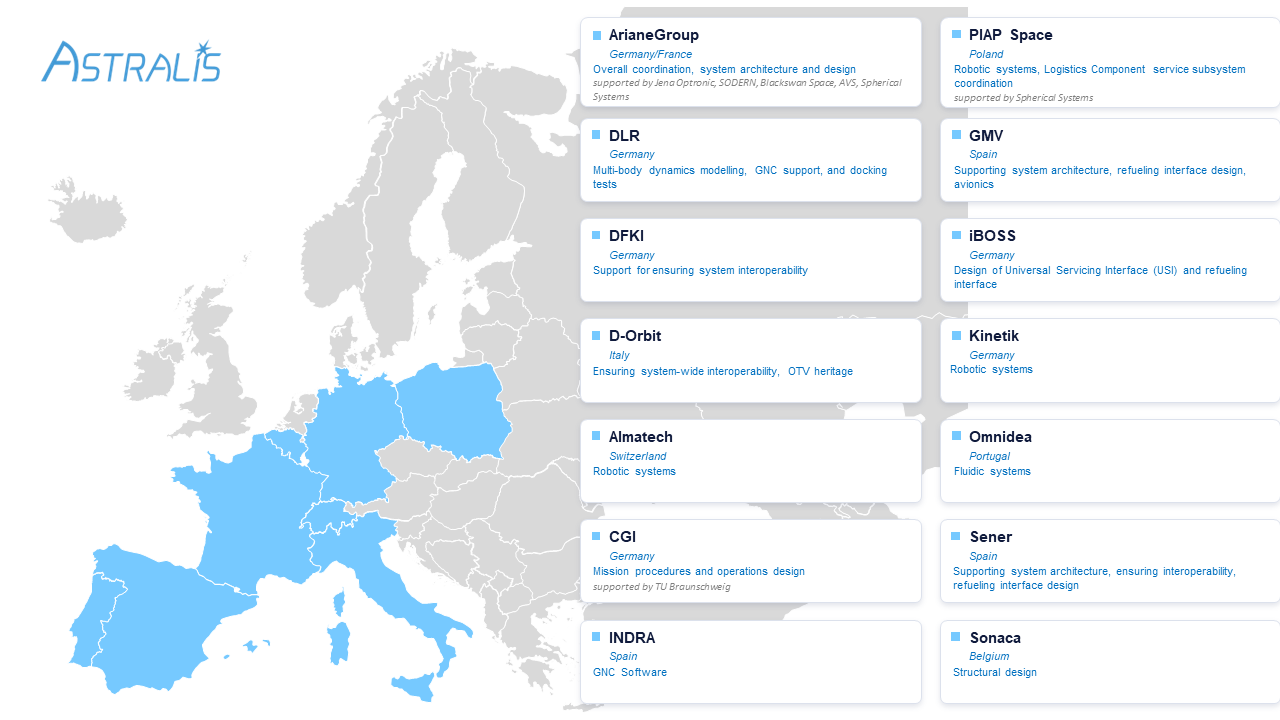
Behind ASTRALIS stands a consortium of 15 partners from 8 countries: large industrial companies, research institutions and innovative SMEs from all over Europe. ArianeGroup leads the consortium as the coordinator drawing on decades of expertise in design, development, production and test of large and complex space systems such as launchers, kick stages and propulsion systems.
The consortium brings together Europe’s leading capabilities in large space system integration, autonomous rendezvous and docking, propulsion systems, robotics and spacecraft engineering. Specifically assembled to realise ASTRALIS as the logistics component of ISOS.
TIMELINE
ASTRALIS follows the ISOS4I programme schedule. The current phase covers system design, technology development and a ground demonstrator – with the goal of rolling out the service in orbit by 2030.
2026
Project start & consortium kick-off
2026-2027
System design & technology demonstration
2027-2029
Detailed design, build and test
2030
Mission deployment & service roll-out